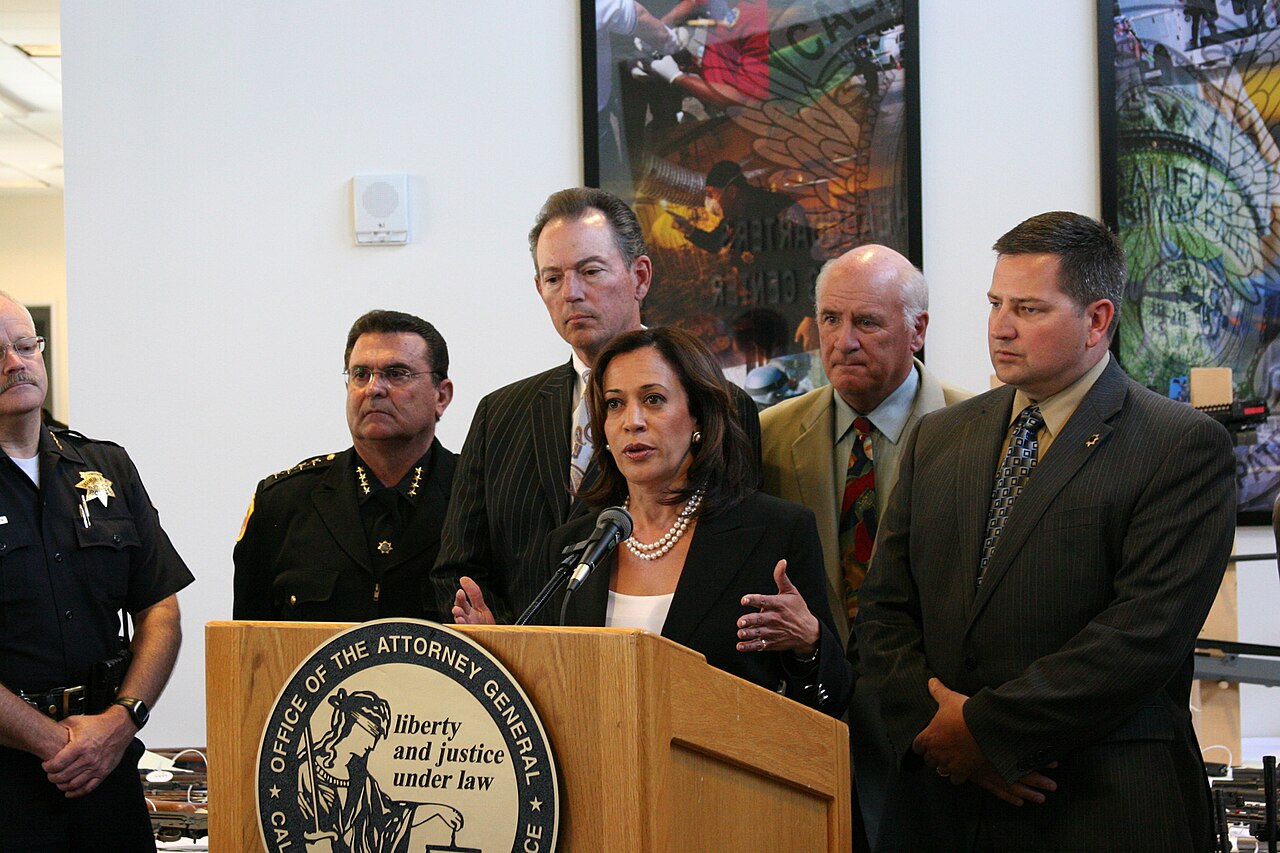
Pro bono lawyers play a vital role in ensuring access to justice for individuals who cannot afford legal representation. The term 'pro bono' is derived from the Latin phrase 'pro bono publico,' which means 'for the public good.' This practice involves attorneys offering their services for free or at a significantly reduced fee to help those in need.
While the legal profession is often associated with high costs, pro bono work seeks to bridge the gap between legal services and marginalized communities. Many lawyers and law firms dedicate a portion of their time to pro bono cases, reflecting a commitment to social responsibility and community service.
The Role of Pro Bono Lawyers
Pro bono lawyers provide essential services in various areas of law, including civil rights, family law, immigration, housing, and criminal defense. Their work is crucial in cases where individuals face significant legal challenges but lack the financial means to hire an attorney. By representing clients pro bono, lawyers help uphold the principle of justice for all, regardless of economic status.
In many instances, pro bono legal services assist individuals in navigating complex legal systems. For example, a pro bono lawyer may help a homeless individual secure housing rights or provide legal representation for survivors of domestic violence seeking protective orders. These services not only address immediate legal needs but also empower clients by educating them about their rights and the legal process.
Benefits of Pro Bono Legal Services
The benefits of pro bono services extend beyond the clients served. Pro bono work contributes to the overall improvement of the legal system by:
- Enhancing Access to Justice: Pro bono lawyers help address the overwhelming need for legal assistance in underserved communities.
- Promoting Professional Development: Engaging in pro bono work allows lawyers to gain valuable experience in new areas of law, develop negotiation skills, and enhance their legal knowledge.
- Fostering Community Relationships: By providing pro bono services, lawyers can build trust and rapport within their communities, strengthening the legal profession's role as a community partner.
- Upholding Ethical Standards: The legal profession emphasizes the importance of social justice, and pro bono work reflects the ethical obligations of lawyers to serve the public interest.
Who Can Benefit from Pro Bono Legal Services?
Pro bono legal services are designed to assist individuals who face financial hardship or other barriers to obtaining legal representation. Common groups that benefit from pro bono services include:
- Low-Income Individuals and Families: Many lawyers offer pro bono services to help families in financial distress navigate legal issues, such as eviction, child custody disputes, or access to public benefits.
- Veterans: Veterans often encounter unique legal challenges related to benefits, housing, or disability claims. Pro bono lawyers can provide essential assistance in addressing these issues.
- Immigrants: Immigration law can be complex and daunting. Pro bono services help immigrants understand their rights and navigate the legal system.
- Victims of Domestic Violence: Survivors of domestic violence may require immediate legal assistance to secure protective orders or engage in custody matters.
How to Find a Pro Bono Lawyer
If you or someone you know requires legal assistance but cannot afford a lawyer, several resources can help connect individuals with pro bono services:
- Legal Aid Organizations: Many regions have legal aid organizations that provide free or low-cost legal services, often staffed with pro bono attorneys. These organizations typically focus on specific areas of law or demographic groups.
- Bar Associations: Local or state bar associations often maintain lists of pro bono programs and can refer individuals to attorneys who offer pro bono services.
- Law School Clinics: Many law schools have legal clinics where students, supervised by licensed attorneys, provide free legal services to the community.
- Online Resources: Websites like Pro Bono Net and the American Bar Association's pro bono directory can help individuals find available pro bono legal services in their area.
Challenges Faced by Pro Bono Lawyers
Despite the critical importance of pro bono work, attorneys engaged in this practice often encounter several challenges:
- Resource Limitations: Pro bono lawyers typically juggle their regular caseload while taking on pro bono cases, which can strain their time and resources.
- Client Commitment: Some pro bono clients may not fully understand the legal process or the commitment required, leading to challenges in case management.
- Complex Cases: Many pro bono cases involve complex legal issues, which can be daunting for attorneys who may not specialize in a particular area of law.
How to Support Pro Bono Work
Supporting pro bono efforts is essential to ensuring that access to justice remains a priority. Individuals and organizations can contribute in various ways:
- Volunteer: Lawyers can dedicate time to pro bono work, while non-lawyers can volunteer at legal aid organizations or assist in administrative tasks.
- Donate: Financial contributions to legal aid organizations support their ability to provide services and may help fund pro bono initiatives.
- Advocate: Raising awareness about the need for pro bono legal services and advocating for policies that support access to justice can make a significant impact.
Conclusion
The role of pro bono lawyers is crucial in promoting access to justice and ensuring that all individuals, regardless of their financial circumstances, have the opportunity to seek legal assistance. By understanding the significance of pro bono work and how to access these services, more people can benefit from the legal support they need. As the legal community continues to evolve, the commitment to pro bono service remains a cornerstone of the profession.
Illustration photo: Myotus / Wikimedia Commons (CC BY-SA 4.0)