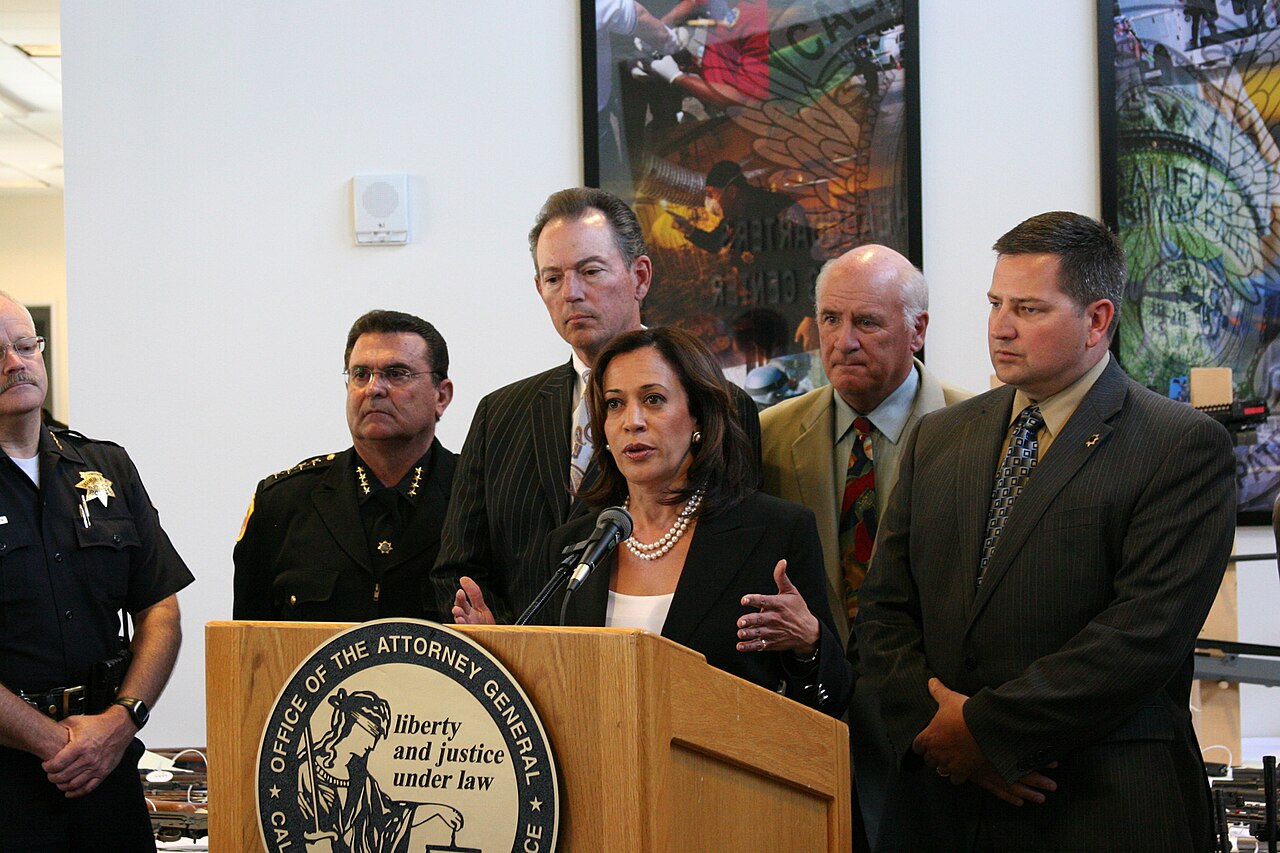
Navigating the complexities of disability claims can be daunting, making the role of a qualified lawyer for disability essential. Individuals seeking disability benefits often face a challenging landscape filled with legal jargon, paperwork, and potentially lengthy appeals. This guide aims to shed light on the importance of hiring a specialized attorney and provide a roadmap for making this crucial decision.
Understanding Disability Law
Disability law encompasses various legal protections and benefits for individuals who are unable to work due to physical or mental impairments. In many jurisdictions, disability claims are managed by government agencies, which require applicants to meet specific criteria to qualify for benefits. Understanding the intricacies of these laws is vital for anyone looking to secure support.
The Role of a Lawyer for Disability
A lawyer specializing in disability law offers invaluable assistance throughout the claims process. Their expertise includes:
- Assessment of Eligibility: Lawyers help determine if clients meet the necessary medical and legal criteria for disability benefits.
- Document Preparation: They assist in gathering and organizing required documentation, such as medical records, employment history, and other supporting materials.
- Meeting Deadlines: Disability claims involve strict deadlines, and a lawyer ensures that all submissions are timely and accurate.
- Representation in Appeals: Should a claim be denied, a lawyer can represent clients in appeals, providing the expertise needed to navigate the legal system.
- Negotiation: Attorneys can negotiate with insurance companies or government agencies to secure fair settlements for their clients.
When to Consider Hiring a Lawyer
While it is possible to file a disability claim without legal representation, there are several situations where hiring a lawyer is advisable:
- When a claim has been denied: A lawyer can analyze the denial reasons and guide clients on the next steps.
- Complex cases: Individuals with multiple health issues or unique circumstances may benefit from a lawyer's expertise.
- Appeals: Navigating the appeals process can be complicated; a lawyer can ensure the best chance of success.
- Limited understanding of the law: If individuals feel overwhelmed by the process or legal jargon, an attorney can provide clarity and support.
How to Find the Right Lawyer for Disability
Selecting the right lawyer for disability is crucial to the success of a claim. Here are key steps to consider:
1. Research Qualifications
Start by researching lawyers who specialize in disability law. Look for credentials, years of experience, and any professional associations they are part of. A reputable lawyer should have a proven track record of handling disability claims successfully.
2. Read Reviews and Testimonials
Client reviews and testimonials provide insight into a lawyer's reputation and effectiveness. Check online platforms and legal directories for feedback to gauge previous clients' experiences.
3. Schedule Consultations
Many lawyers offer free initial consultations. Use this opportunity to discuss your case, understand their approach, and assess their communication style. This meeting is also a chance to ask about fees and payment structures.
4. Evaluate Communication Skills
Effective communication is essential in the lawyer-client relationship. Ensure that the lawyer is approachable, willing to listen, and able to explain complex legal concepts in an understandable manner.
5. Assess Fees and Payment Structures
Understand the lawyer's fee structure before making a decision. Most disability lawyers work on a contingency fee basis, meaning they only get paid if you win your claim. Confirm any additional costs that may arise during the process.
Common Challenges in Disability Claims
There are several challenges individuals may face when pursuing disability claims:
- Insufficient Medical Evidence: Claims can be denied due to a lack of adequate medical documentation supporting the disability.
- Misunderstanding Eligibility Criteria: Applicants may misinterpret the requirements, leading to denied claims.
- Lengthy Processing Times: The claims process can be slow, causing frustration and uncertainty for applicants.
- Appeals Process: Navigating the appeals process can be complex, and many applicants may not understand their rights.
Tips for a Successful Disability Claim
To enhance the likelihood of a successful claim, consider the following tips:
- Keep Detailed Records: Maintain comprehensive records of medical visits, treatments, and communications related to your disability.
- Follow Medical Advice: Adhere to your healthcare provider's recommendations, as this will strengthen your case.
- Be Honest: Provide truthful information during the application process. Inconsistencies can lead to denials.
- Utilize Professional Help: Rely on your lawyer's expertise to navigate complexities and maximize your chances of approval.
Conclusion
Hiring a lawyer for disability is a significant step in ensuring that individuals receive the benefits they deserve. Understanding the role of these legal professionals, recognizing when to seek assistance, and knowing how to choose the right attorney are fundamental components of the process. By arming themselves with knowledge and support, individuals can navigate the often challenging landscape of disability claims with greater confidence.
Illustration photo: Hine, Lewis Wickes; National Child Labor Committee Collectio / Wikimedia Commons (Public domain)