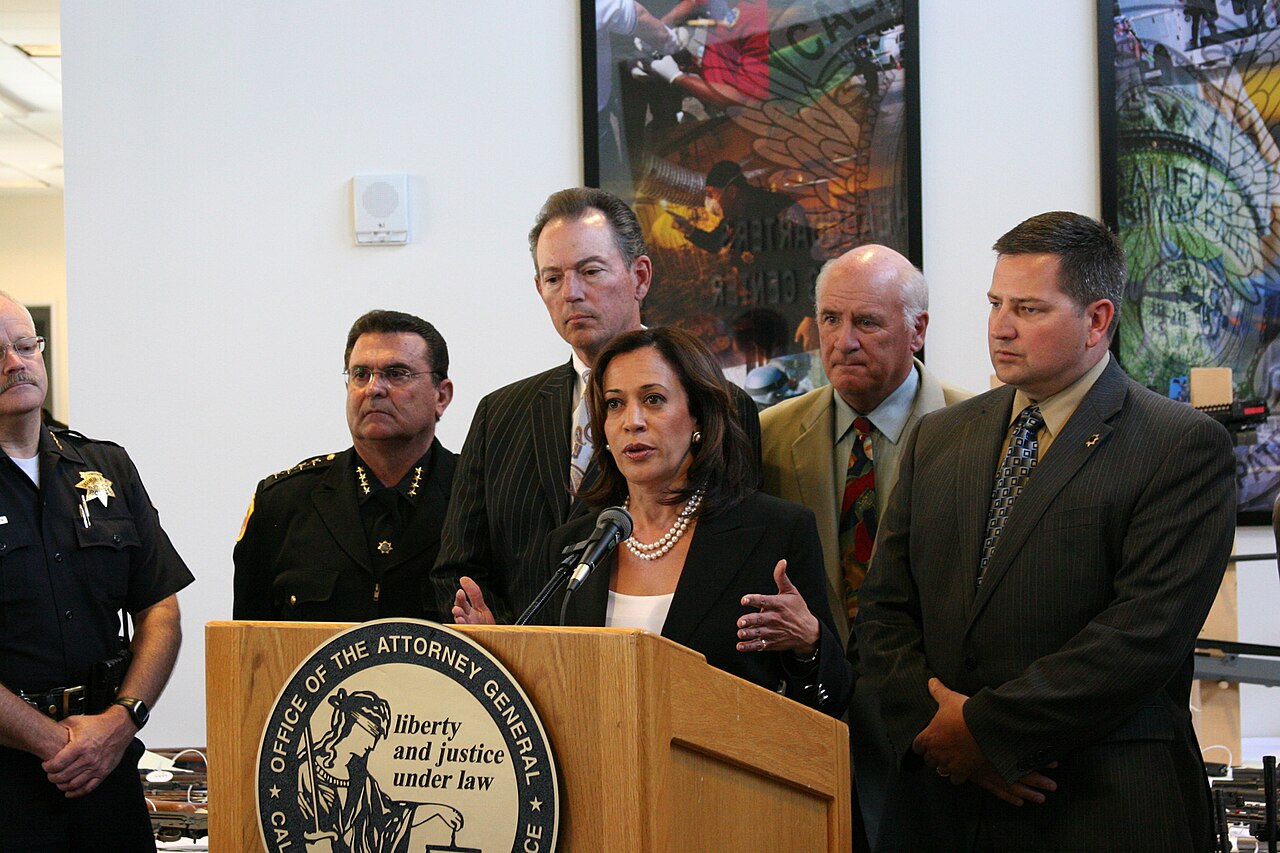
The concept of lawyer disability encompasses various aspects of legal representation for individuals facing disabilities. This article aims to provide a thorough understanding of the subject, highlighting the roles, types of support available, and essential tips for navigating the legal landscape.
What is Lawyer Disability?
Lawyer disability refers to the legal challenges and representations for individuals with disabilities. This includes physical, mental, or intellectual impairments that significantly limit one or more major life activities. Those seeking legal assistance due to disability may require specific knowledge and expertise from lawyers who understand the nuances of disability law.
Types of Disabilities
Disabilities can be classified into several categories, including:
- Physical Disabilities: These affect a person's mobility or physical capacity. Examples include paralysis, amputations, and other conditions that hinder movement.
- Mental Disabilities: These encompass psychological or psychiatric conditions that affect cognitive functions and daily living. Conditions such as depression, anxiety disorders, and schizophrenia fall under this category.
- Intellectual Disabilities: These may impair cognitive functioning and adaptive behavior. Individuals may struggle with understanding complex tasks or social interactions.
- Developmental Disabilities: These are characterized by impairments that manifest during the developmental period, impacting physical, learning, language, or behavioral areas.
Legal Framework Surrounding Disabilities
Various laws and regulations protect the rights of individuals with disabilities. The Americans with Disabilities Act (ADA) is a key piece of legislation in the United States designed to prevent discrimination and ensure equal access to opportunities. Understanding these laws is crucial for both lawyers and clients to navigate the legalities surrounding disability.
Key Provisions of the ADA
The ADA covers a wide range of areas including employment, public services, public accommodations, and telecommunications. Major provisions include:
- Employment: Employers are required to provide reasonable accommodations for employees with disabilities.
- Public Services: State and local governments must ensure that public services are accessible to individuals with disabilities.
- Public Accommodations: Businesses must remove barriers to accessibility and ensure facilities are usable by individuals with disabilities.
Choosing the Right Lawyer for Disability Cases
When seeking legal representation, individuals should consider several factors to ensure they select the right lawyer:
- Experience: Look for a lawyer who specializes in disability law and has a proven track record. An experienced attorney will be familiar with the laws and regulations that pertain to disabilities.
- Reputation: Research the lawyer's reputation through online reviews, testimonials, and professional ratings. A lawyer with a solid reputation within the community can provide more reliable services.
- Communication: Choose a lawyer who communicates effectively and is willing to explain the legal processes in understandable terms. Good communication fosters trust and clarity.
- Fees: Understand the attorney's fee structure. Many disability lawyers work on a contingency basis, which means they only get paid if you win your case.
Common Legal Issues Faced by Individuals with Disabilities
Individuals with disabilities may encounter various legal issues, including:
- Discrimination: Discrimination can occur in employment, housing, and public accommodations due to a person’s disability. This can lead to legal action under the ADA or other relevant laws.
- Access to Services: Ensuring access to necessary services and programs can be a challenge. Legal representation may be necessary to advocate for proper accommodations.
- Social Security Disability Benefits: Many individuals with disabilities seek Social Security benefits. Navigating the application process can be complicated, often requiring legal assistance to ensure eligibility and proper documentation.
Navigating the Legal Process
Understanding the legal process is crucial for individuals with disabilities seeking justice or support. Here are some steps to consider:
- Consultation: Schedule a consultation with a qualified lawyer to discuss your specific circumstances and legal needs.
- Documentation: Gather all necessary documentation that supports your case, including medical records, employment history, and any correspondence related to your disability.
- Filing Claims: Your attorney will help you file claims or lawsuits within the appropriate timelines and jurisdictions.
- Representation: During hearings or negotiations, your lawyer will represent your interests and aim to secure the best possible outcome.
Resources for Individuals with Disabilities
Numerous organizations and resources are available to assist individuals with disabilities. These may include:
- Disability Rights Organizations: These organizations provide advocacy, resources, and legal assistance specifically aimed at protecting the rights of individuals with disabilities.
- Government Agencies: Agencies such as the Social Security Administration offer information on disability benefits and assistance programs.
- Legal Aid Services: Non-profit legal aid organizations may offer free or low-cost legal advice to individuals with disabilities.
Frequently Asked Questions
What types of cases do disability lawyers handle?
Disability lawyers typically handle cases related to discrimination, Social Security disability benefits, and public accommodations.
How do I know if I need a disability lawyer?
If you are facing challenges related to your disability, such as discrimination or issues with obtaining benefits, consulting a disability lawyer can provide valuable guidance.
What should I prepare for my first meeting with a disability lawyer?
Gather relevant documents, including medical records and correspondence related to your case, to help your lawyer understand your situation.
Are disability lawyers expensive?
Many disability lawyers work on a contingency basis, meaning you do not pay unless you win your case.
How long does the legal process take for disability cases?
The duration can vary significantly based on the complexity of the case, the court's schedule, and other factors. Consulting with your lawyer can provide a better estimate.
Illustration photo: Houses of the Oireachtas / Wikimedia Commons (CC BY 2.0)