Going through a divorce can be an emotionally draining and complex process. One of the first steps you should take when considering a divorce is finding a qualified lawyer who specializes in family law. If you're searching for a "divorce lawyer near me," this guide will help you understand what to look for, how to choose the right attorney, and what to expect during the process.
Understanding the Role of a Divorce Lawyer
A divorce lawyer is a legal professional who specializes in matters related to divorce, child custody, property division, and other family law issues. Their role includes advising clients on their rights, representing them in court, and negotiating settlements. Understanding the responsibilities of a divorce lawyer can help you determine what kind of legal assistance you need.
Key Factors to Consider When Searching for a Divorce Lawyer
When looking for a divorce lawyer, several important factors should guide your decision:
- Experience and Specialization: Look for a lawyer who specializes in family law and has substantial experience handling divorce cases. An attorney who regularly deals with divorce will be familiar with the laws and local court procedures.
- Reputation: Research the lawyer's reputation in the community. Online reviews, testimonials, and referrals from friends or family can provide insights into their effectiveness and professionalism.
- Communication Skills: Effective communication is crucial during divorce proceedings. Choose a lawyer who is responsive and can explain legal concepts in a way that you understand.
- Fees and Payment Structure: Understanding the lawyer's fee structure is essential. Some attorneys charge by the hour, while others may offer flat fees for specific services. Ensure you discuss potential costs upfront to avoid any surprises later.
- Compatibility: You will need to work closely with your lawyer throughout the divorce process. It’s important to feel comfortable sharing personal information and discussing sensitive issues with them.
How to Search for a Divorce Lawyer Near You
Finding a divorce lawyer nearby can be accomplished through various methods:
- Online Searches: Conducting an online search using keywords like "divorce lawyer near me" can yield a list of local attorneys. Websites that aggregate lawyer profiles can also provide information on their backgrounds and areas of expertise.
- Bar Association Referrals: Many state and local bar associations offer referral services that can connect you with qualified lawyers in your area. These services typically ensure that the attorneys are in good standing and have the appropriate experience.
- Personal Recommendations: Ask friends, family, or colleagues for recommendations. Personal experiences can guide you toward reputable lawyers who have helped others in similar situations.
- Legal Aid Organizations: If you have financial constraints, consider reaching out to local legal aid organizations. They offer services to those who qualify based on income and can provide assistance with divorce proceedings.
Questions to Ask During Consultations
Once you have a shortlist of potential divorce lawyers, scheduling consultations is an important next step. During these meetings, you should ask several key questions to determine if the lawyer is the right fit:
- What is your experience with divorce cases like mine?
- What is your strategy for handling my case?
- What are your fees, and how are they structured?
- How often will you communicate with me about the progress of my case?
- What is the expected timeline for my divorce process?
What to Expect During the Divorce Process
The divorce process can vary widely depending on the complexity of the case and the willingness of both parties to negotiate. Here’s an overview of the general steps involved:
- Filing for Divorce: The process typically begins when one spouse files a petition for divorce. This document outlines the terms of the divorce, including custody arrangements and property division.
- Serving the Papers: After filing, the other spouse must be formally notified of the divorce proceedings, often through a process server or by mail.
- Negotiation and Mediation: Many couples opt for mediation, which allows them to negotiate terms amicably with the help of a neutral third party. This can save time and reduce legal fees.
- Trial: If the parties cannot reach an agreement through negotiation or mediation, the case may go to trial. Here, a judge will make the final decisions on contested issues.
- Finalizing the Divorce: Once all issues are resolved, the divorce will be finalized through a court order, outlining the terms agreed upon by both parties.
Preparing for Your Divorce Consultation
To make the most of your initial consultation with a divorce lawyer, you should come prepared. Here are some tips:
- Gather Relevant Documents: Collect financial documents, such as bank statements, tax returns, and property deeds, to provide a clear picture of your financial situation.
- List Your Concerns: Write down any concerns or questions you have regarding child custody, asset division, and other important issues.
- Be Honest: Honesty with your lawyer is crucial. Be upfront about all facts related to your marriage, as this information will help them represent you effectively.
Conclusion
Finding a divorce lawyer near you is an important step in navigating the complexities of divorce. By understanding the role of a divorce attorney, knowing what to look for, and being prepared for consultations, you can make informed choices that will help protect your interests during this challenging time. Remember, the right lawyer will not only provide legal assistance but also offer the support you need as you transition to the next chapter of your life.
Frequently Asked Questions
How much does a divorce lawyer typically cost?
The cost of a divorce lawyer can vary significantly based on their experience, location, and the complexity of the case. It's important to discuss fees upfront during consultations.
Can I represent myself in a divorce?
Yes, you can represent yourself in a divorce, but it is generally advisable to hire a lawyer to ensure your rights are protected and the process goes smoothly.
What if my spouse does not agree to the divorce?
If your spouse does not agree to the divorce, you can still proceed by filing for a contested divorce, where the court will ultimately decide on the issues.
How long does the divorce process take?
The duration of the divorce process can vary based on several factors, including court schedules and the complexity of the case. It can take anywhere from a few months to several years.
What should I do if I am facing domestic violence?
If you are facing domestic violence, it is crucial to seek help immediately. Contact local law enforcement and consider consulting a lawyer who can guide you through protective orders and other legal actions.
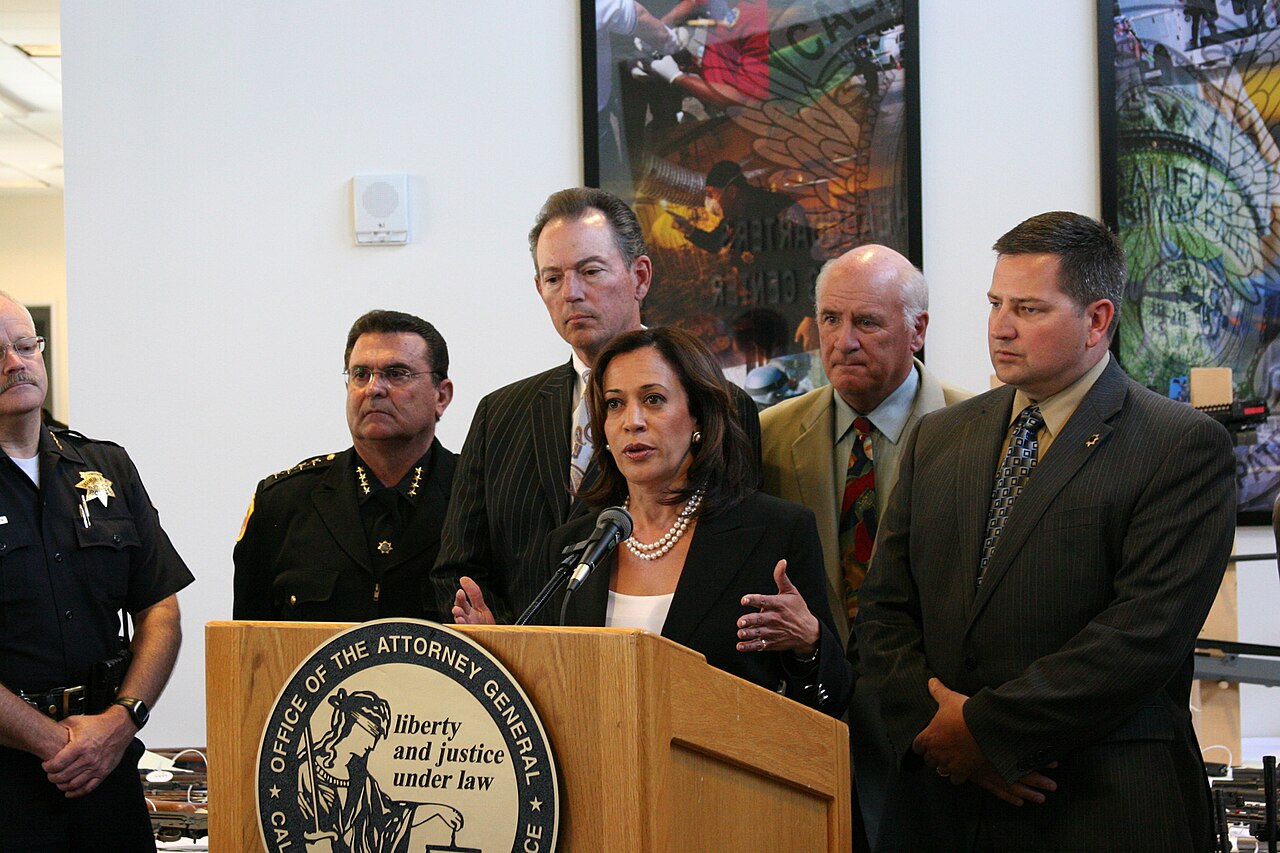
Illustration photo: D. Myles Cullen / Wikimedia Commons (Public domain)