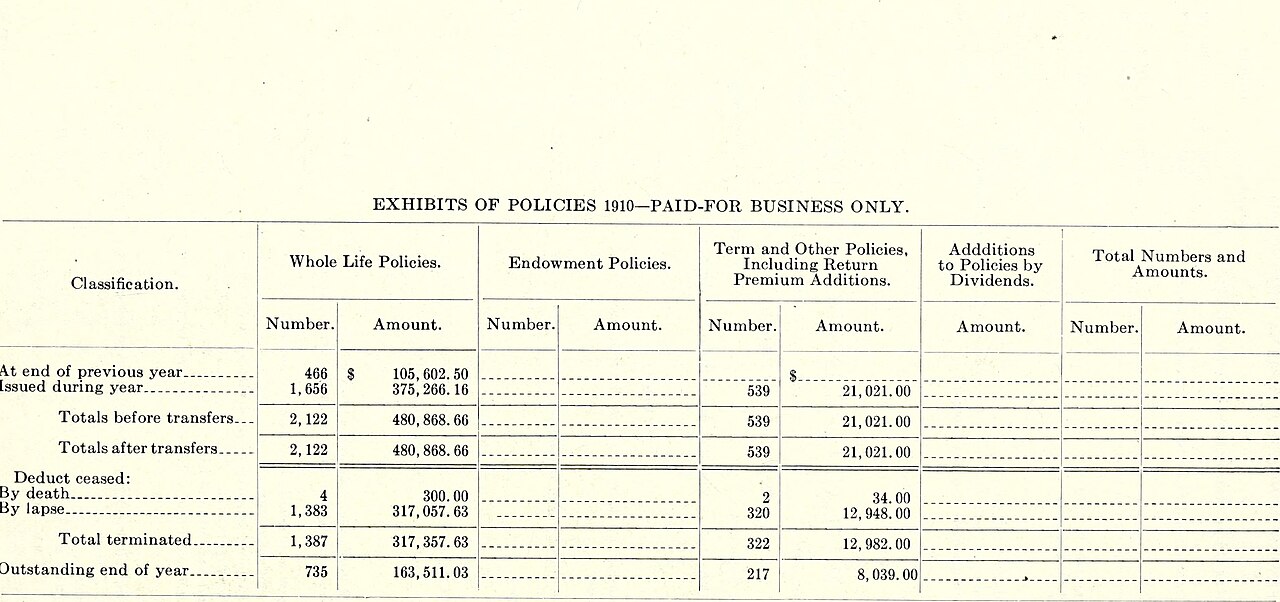
The financial world offers a variety of tools to mitigate risk and provide security, among which insurance and bonds are two commonly used options. Although they serve different purposes and operate under distinct mechanisms, understanding both is crucial for effective financial planning. This article delves into the fundamental differences between insurance and bonds, providing clarity on their functions, types, and applications.
What is Insurance?
Insurance is a financial product designed to provide protection against potential future losses or damages. It operates on the principle of risk transfer; individuals or entities pay a premium to an insurance company in exchange for a guarantee that the insurer will cover certain losses as specified in the policy. Insurance is commonly used to protect assets, manage risks, and ensure financial stability.
Types of Insurance
- Life Insurance: Provides financial benefits to beneficiaries upon the policyholder's death.
- Health Insurance: Covers medical expenses incurred due to illness or injury.
- Property Insurance: Protects against damage to physical assets, such as homes or vehicles.
- Liability Insurance: Offers protection against claims arising from injuries or damages to third parties.
How Insurance Works
When a person purchases insurance, they enter a contract with the insurer. The insurer assesses the risk associated with the individual or entity and sets a premium accordingly. In the event of a covered loss, the insured parties file a claim, and the insurer evaluates the claim, ultimately providing compensation based on the terms of the policy. The fundamental goal of insurance is to provide financial security and peace of mind in the face of unforeseen events.
What is a Bond?
A bond is a fixed-income financial instrument that represents a loan made by an investor to a borrower, typically a corporation or government. When an individual purchases a bond, they are essentially lending money to the issuer in exchange for periodic interest payments and the return of the bond's face value upon maturity. Bonds are commonly used for raising capital and are considered a more stable investment compared to stocks.
Types of Bonds
- Government Bonds: Issued by national governments, generally considered low-risk.
- Corporate Bonds: Issued by companies, carrying higher risk and potentially higher returns.
- Muni Bonds: Issued by local governments or municipalities, often offering tax advantages.
- Convertible Bonds: Can be converted into a predetermined number of equity shares at specific times.
How Bonds Work
Bonds operate on a straightforward principle. When investors purchase bonds, they receive interest payments (coupon payments) at regular intervals until the maturity date, at which point they also receive their principal investment back. The bond's yield can fluctuate based on market conditions, credit ratings, and the issuer's financial situation. Bonds are often viewed as a safer investment vehicle, suitable for those seeking steady income.
Key Differences Between Insurance and Bonds
While both insurance and bonds play essential roles in financial management, they serve distinctly different purposes and operate under different principles. The primary differences can be summarized as follows:
1. Purpose
Insurance is primarily about risk management and protection against uncertain losses. It provides a safety net for individuals and businesses against potential financial setbacks.
In contrast, bonds are investment vehicles aimed at generating income through interest payments. They are used by corporations and governments to raise capital and by investors looking for stable returns.
2. Financial Instrument
Insurance functions as a contract between the insurer and the insured, focusing on protection against specific risks.
Bonds act as a debt agreement, where the bondholder lends money to the issuer, expecting to receive interest payments and the return of the principal amount at maturity.
3. Risk Profile
With insurance, the insured transfers the risk of loss to the insurer. The insurer assumes the risk and is responsible for covering losses, provided they fall within the policy's terms.
Bonds carry credit risk, which is the risk that the issuer may default on interest or principal repayments. Investors must assess the creditworthiness of the issuer when purchasing bonds.
4. Return on Investment
Insurance does not offer a return on investment in the traditional sense; it provides financial protection against losses. The value comes from the peace of mind and security it offers.
Bonds, however, provide periodic interest payments and can appreciate in value, making them a potential source of income and capital gains for investors.
When to Use Insurance vs Bonds
Choosing between insurance and bonds depends on individual financial goals and situations.
When to Use Insurance
- When seeking protection against specific risks, such as health issues, accidents, or property damage.
- When financial security for dependents is a priority, particularly in the case of life insurance.
- When managing business risks that could threaten operational stability and profitability.
When to Use Bonds
- When seeking a stable income stream through interest payments for retirement or other financial needs.
- When looking for a lower-risk investment option compared to stocks.
- When wanting to diversify an investment portfolio to reduce overall risk.
Conclusion
Understanding the differences between insurance and bonds is essential for effective financial planning. While insurance offers protection against uncertain events, bonds serve as a stable investment option that can generate income. Both tools are important in their own right and can complement each other in a comprehensive financial strategy. By assessing individual needs and goals, individuals can make informed decisions about when to utilize insurance and when to invest in bonds, ultimately enhancing their financial security.
Illustration photo: Internet Archive Book Images / Wikimedia Commons (No restrictions)