In the realm of financial planning and risk management, the role of an insurance agent is pivotal. They serve as intermediaries between clients and insurance companies, guiding individuals and businesses in selecting the appropriate insurance products that suit their needs. Given the complexity of insurance policies, making an informed decision can be daunting. This guide aims to provide essential insights into choosing the right insurance agent and understanding their responsibilities.
What is an Insurance Agent?
An insurance agent is a professional authorized to sell insurance policies on behalf of an insurance company. They play a crucial role in helping clients navigate the various types of insurance available, including life, health, auto, and property insurance. Insurance agents are typically compensated through commissions based on the policies they sell.
Types of Insurance Agents
There are primarily two types of insurance agents: captive agents and independent agents.
- Captive Agents: These agents represent a single insurance company and are limited to selling only that company's products. Captive agents often have in-depth knowledge of the specific policies they offer, which can be beneficial for clients looking for specialized information.
- Independent Agents: Independent agents work with multiple insurance companies, providing clients a broader range of options. This flexibility allows them to compare policies and find the best fit for their clients' needs.
Why You Need an Insurance Agent
Choosing to work with an insurance agent can significantly ease the process of securing insurance coverage. Here are several reasons why having an agent is beneficial:
- Expertise: Insurance agents possess specialized knowledge of the insurance market, helping clients understand complex terms and conditions.
- Personalized Guidance: An agent can provide tailored advice based on a client’s unique circumstances, ensuring they select the most suitable policies.
- Claims Assistance: In the event of a claim, an insurance agent can assist clients in navigating the process, ensuring they receive the benefits they are entitled to.
How to Choose the Right Insurance Agent
Finding the right insurance agent involves careful consideration. Here are several factors to keep in mind:
1. Assess Your Needs
Before you begin your search for an insurance agent, it is essential to assess your insurance needs. Consider the types of coverage you require, such as auto, health, or life insurance. Understanding your specific requirements will help you identify an agent who specializes in those areas.
2. Research and Referrals
One of the best ways to find a reputable insurance agent is through referrals. Ask friends, family, or colleagues for recommendations based on their experiences. Additionally, research online reviews and testimonials to gauge the agent's reputation and reliability.
3. Check Credentials
Ensure that the insurance agent is properly licensed and registered with the appropriate regulatory bodies. This information can typically be verified through state insurance department websites. A licensed agent will have the necessary knowledge and understanding of the insurance market.
4. Interview Potential Agents
Once you have a shortlist of potential agents, schedule interviews with them. Prepare a list of questions to assess their knowledge, experience, and approach to client relationships. Pay attention to how well they listen to your needs and whether they offer valuable insights.
5. Evaluate Communication Style
Effective communication is vital in the insurance industry. Choose an agent who communicates clearly and is responsive to your inquiries. A good agent should be able to explain complex insurance terms in a way that is easy to understand.
6. Consider Availability and Support
Insurance needs can arise at any time, making it essential to have an agent who is readily available for support. Inquire about their availability for consultations and how they handle client inquiries outside of regular business hours.
Questions to Ask Your Insurance Agent
During your interviews, consider asking the following questions to help you make an informed decision:
- What types of insurance do you specialize in?
- How often will you review my insurance needs?
- Can you provide references from current clients?
- What is your process for handling claims?
- What are the costs associated with the policies you recommend?
Common Misconceptions About Insurance Agents
There are several misconceptions about insurance agents that can lead to misunderstandings:
- Insurance Agents Are Only Salespeople: While selling policies is part of their job, agents also provide valuable advice and support throughout the insurance process.
- All Agents Are the Same: Agents vary in terms of their expertise, experience, and the companies they represent. It is essential to find one who aligns with your specific needs.
- Agents Will Always Push for the Most Expensive Policies: A reputable agent will prioritize the client's best interests and work to find coverage that fits their budget.
Building a Long-Term Relationship with Your Insurance Agent
Once you have selected an insurance agent, it is beneficial to establish a long-term relationship. Regular communication ensures your insurance coverage remains aligned with any changes in your life, such as marriage, children, or career shifts. Periodically reviewing your policies with your agent can help identify potential gaps in coverage and opportunities for better rates.
Utilizing Technology in Insurance
With the rise of technology in the insurance industry, many agents now leverage digital tools to enhance their services. Online platforms allow for easier communication, policy management, and access to information about various insurance products. Clients can benefit from these advancements by staying informed and engaged in their insurance choices.
Conclusion
Choosing the right insurance agent is a crucial step in securing your financial future. By understanding the role of an insurance agent and evaluating your options carefully, you can find a trusted partner who will guide you through the complexities of insurance. A knowledgeable agent will not only help you select the right coverage but also provide ongoing support to ensure your insurance needs are met over time.
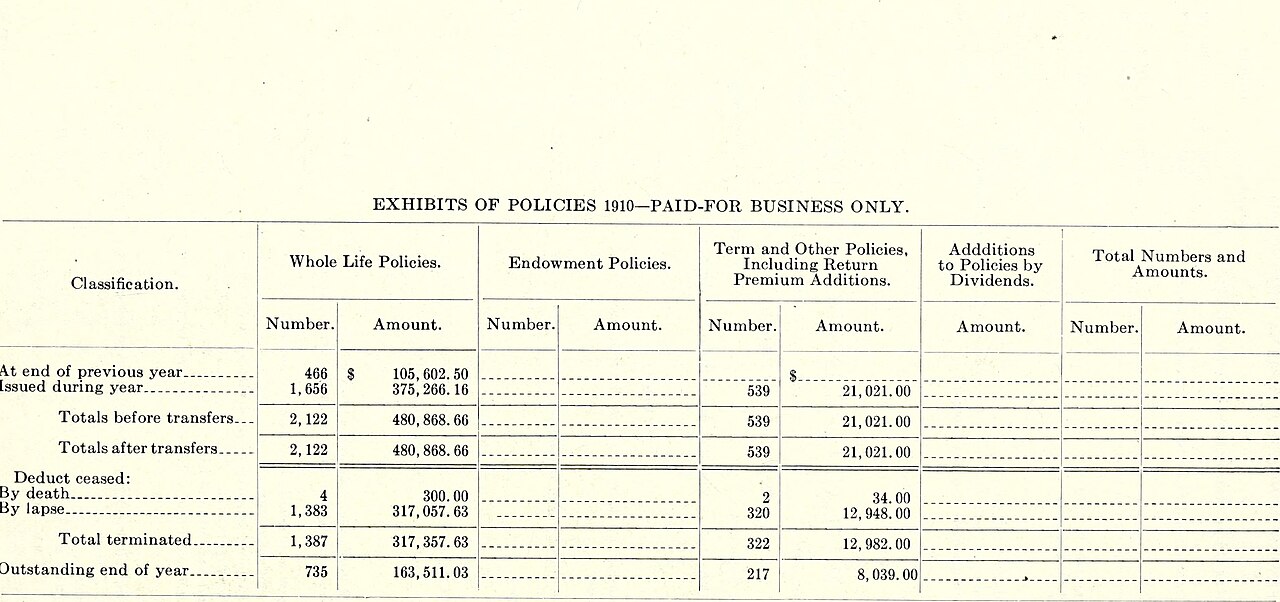
Illustration photo: I. P. Frink, Inc. / Wikimedia Commons (No restrictions)