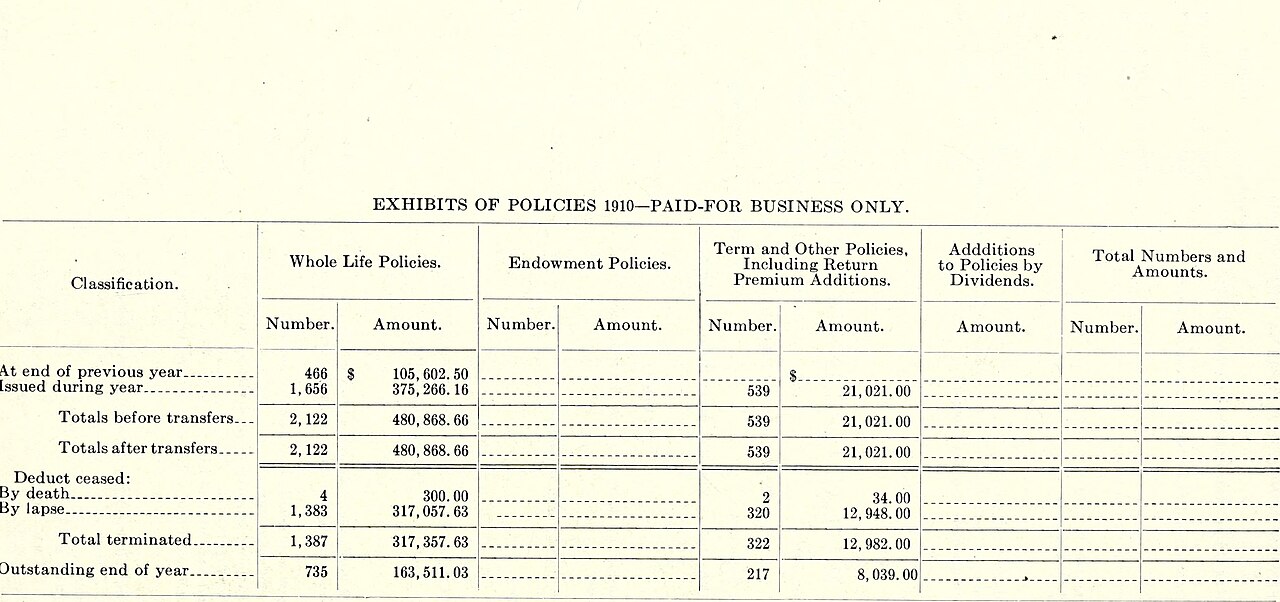
Insurance agents play a crucial role in the financial services industry, serving as intermediaries between consumers and insurance companies. Understanding how insurance agents make money is essential for anyone considering a career in this field, as well as for consumers looking to understand the underlying economics of their insurance purchases.
The primary way insurance agents generate income is through commissions. These commissions are typically a percentage of the premium paid by policyholders. When an agent sells a new insurance policy, they earn an initial commission, which can vary significantly depending on the type of insurance and the specific terms of their agreement with the insurance provider.
Types of Insurance Policies
Insurance agents can specialize in various types of policies, including life, health, auto, and property insurance. Each type of insurance comes with its own commission structure:
- Life Insurance: Agents often earn higher commissions on life insurance policies, which can range from 30% to 90% of the first year's premium. Subsequent renewals may yield lower commissions.
- Health Insurance: Health insurance commissions generally range from 3% to 5% of premiums. However, some agents may receive a higher percentage for the first year of a policy.
- Auto and Property Insurance: Commissions for auto and property insurance typically fall between 10% and 20% of the premium, depending on the insurer and the specific agreement.
Service Fees
In addition to commissions, some insurance agents charge service fees for their services. These fees can be applied for various reasons, such as providing customized insurance coverage solutions, assisting with policy changes, or offering ongoing support and consultation. Service fees can be particularly common among agents who operate on a fee-based model rather than a commission-only basis.
Bonuses and Incentives
Insurance agents may also earn bonuses and incentives based on their performance. Many insurance companies offer bonuses for agents who meet specific sales targets or achieve a certain level of customer satisfaction. These bonuses can be substantial and serve as motivation for agents to increase their sales volume and provide high-quality service to their clients.
Residual Income
Some agents may earn residual income from policies they have sold in the past. This is particularly common in the life and health insurance sectors, where agents receive a portion of the premium each time it is paid, as long as the policy remains active. This residual income can provide a steady stream of revenue, which is beneficial for agents looking to build long-term financial stability.
The Role of Independent vs. Captive Agents
Insurance agents generally fall into two categories: independent agents and captive agents. Independent agents work with multiple insurance companies, allowing them to offer a wider variety of products to their clients. Captive agents, on the other hand, represent a single insurance company and are limited to selling that company's products.
The difference in commission structures may be influenced by this distinction. Independent agents may have access to higher commission rates, but they also bear more responsibility for their marketing and operational costs. Captive agents often benefit from brand recognition and support from their respective companies, which can lead to a more stable income in the beginning.
Building a Successful Insurance Agency
For agents interested in building a successful insurance business, several strategies can be employed:
- Networking: Building relationships with potential clients and other professionals in the industry can lead to more referrals and business opportunities.
- Continuing Education: Staying up to date on industry trends and regulations can enhance an agent's expertise, making them more valuable to clients.
- Utilizing Technology: Adopting digital tools and platforms for marketing, customer management, and policy tracking can streamline operations and enhance client experience.
- Customer Service: Providing excellent customer service can lead to higher retention rates and positive word-of-mouth recommendations.
Conclusion
Understanding how insurance agents make money is vital for anyone engaging with them or considering a career in the insurance industry. By exploring the various income sources, such as commissions, fees, and bonuses, as well as the differences between independent and captive agents, individuals can gain valuable insights into the financial dynamics of insurance sales. Whether agents choose to focus on a specific type of insurance or diversify their offerings, their success will largely depend on their ability to build relationships and provide exceptional service to their clients.
Illustration photo: Illinois Mutual Fire Insurance Company / Wikimedia Commons (Public domain)