The insurance industry plays a crucial role in the financial stability of individuals and businesses alike. Within this sector, insurance agents serve as the vital link between companies and clients, helping to navigate the complexities of insurance products. Understanding the salary of insurance agents is essential for those considering this career path or for those who simply wish to understand the industry's compensation structures.
Factors that influence insurance agent salaries are multifaceted, encompassing aspects such as location, experience, type of insurance sold, and performance metrics. Each of these elements contributes to how much agents can expect to earn throughout their careers.
Location and Its Impact on Salary
Geographic location is a significant determinant of salary levels for insurance agents. In general, areas with a higher cost of living tend to offer higher salaries to compensate for living expenses. For example, agents working in major metropolitan areas may earn more than those in rural regions. Factors such as state regulations, competition, and demand for insurance products can also vary by location, further influencing potential earnings.
Experience Level
As with many professions, experience plays a critical role in determining salary levels for insurance agents. Entry-level agents typically start at a lower salary but can expect their earnings to increase with time as they gain expertise and build a client base. Seasoned agents often enjoy higher salaries due to their established track record of success, industry knowledge, and ability to negotiate better commissions and fees.
Type of Insurance Sold
The specific type of insurance an agent specializes in can also significantly impact their earnings. For instance, agents selling life insurance, health insurance, or property and casualty insurance may have different earning potentials based on commission structures and client demand. Life insurance agents often earn substantial commissions on the policies they sell, while agents dealing with property and casualty might work on a salary plus commission basis.
Performance Metrics
Performance-related metrics are another component that influences insurance agent salaries. Many insurance companies implement commission structures that reward agents for their sales performance. This means that successful agents who exceed sales targets can significantly increase their earnings through bonuses or higher commission rates. Tracking metrics such as the number of policies sold, client retention rates, and overall sales volume can have a direct impact on an agent's salary.
Commission Structures
Commission is a primary source of income for insurance agents. Agents typically earn a percentage of the premium for each policy sold, which can vary widely depending on the type of insurance and the specific agreement with the insurance company. Some agents may receive a flat fee per policy, while others might earn a recurring commission for renewals. Understanding these commission structures is essential for agents to maximize their earnings potential.
Benefits and Additional Compensation
In addition to base salary and commissions, many insurance agents receive benefits that can boost their overall compensation. Benefits may include health insurance, retirement plans, paid time off, and professional development opportunities. Some companies also offer bonuses for outstanding performance, further incentivizing agents to achieve high sales levels. It's important for agents to consider the full compensation package when evaluating job offers.
Job Outlook and Industry Trends
The job outlook for insurance agents is generally positive, driven by an ongoing need for insurance products across various demographics. As society becomes more aware of the importance of insurance, especially in areas like health and life coverage, the demand for knowledgeable agents continues to grow. This trend suggests that salaries may also rise as competition for skilled agents increases, particularly in emerging markets and industries.
Tips for Aspiring Insurance Agents
For individuals considering a career as an insurance agent, several strategies can help enhance earning potential:
- Invest in Education: Obtaining relevant certifications or degrees can provide a competitive edge.
- Choose a Niche: Specializing in a specific type of insurance can help agents become experts in their field, potentially leading to higher earnings.
- Network Effectively: Building relationships within the industry can lead to referrals and increased business opportunities.
- Leverage Technology: Utilizing digital tools and platforms can streamline processes and enhance client engagement.
- Focus on Customer Service: Providing exceptional service can lead to improved client retention and positive referrals.
Conclusion
The salary of an insurance agent is influenced by various factors, including location, experience, the type of insurance sold, and performance metrics. Understanding these elements can help aspiring agents navigate their career path more effectively. With a positive job outlook and the potential for growth in earnings, a career in insurance can be both rewarding and financially beneficial for those committed to success in the industry.
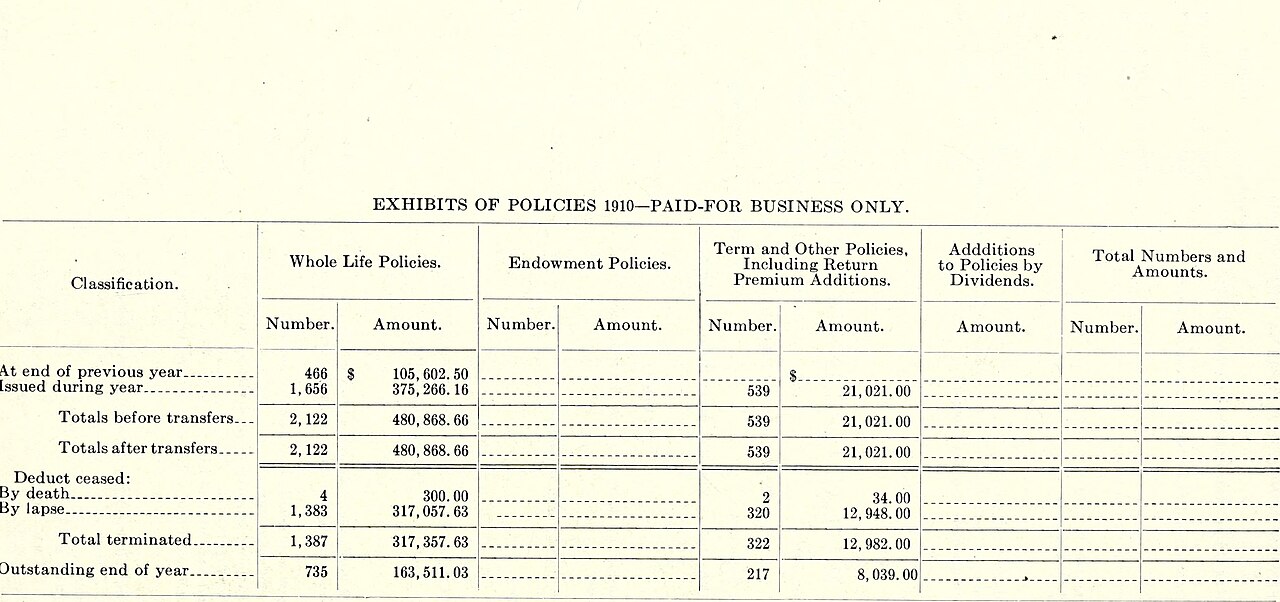
Illustration photo: Alfa designer / Wikimedia Commons (Public domain)